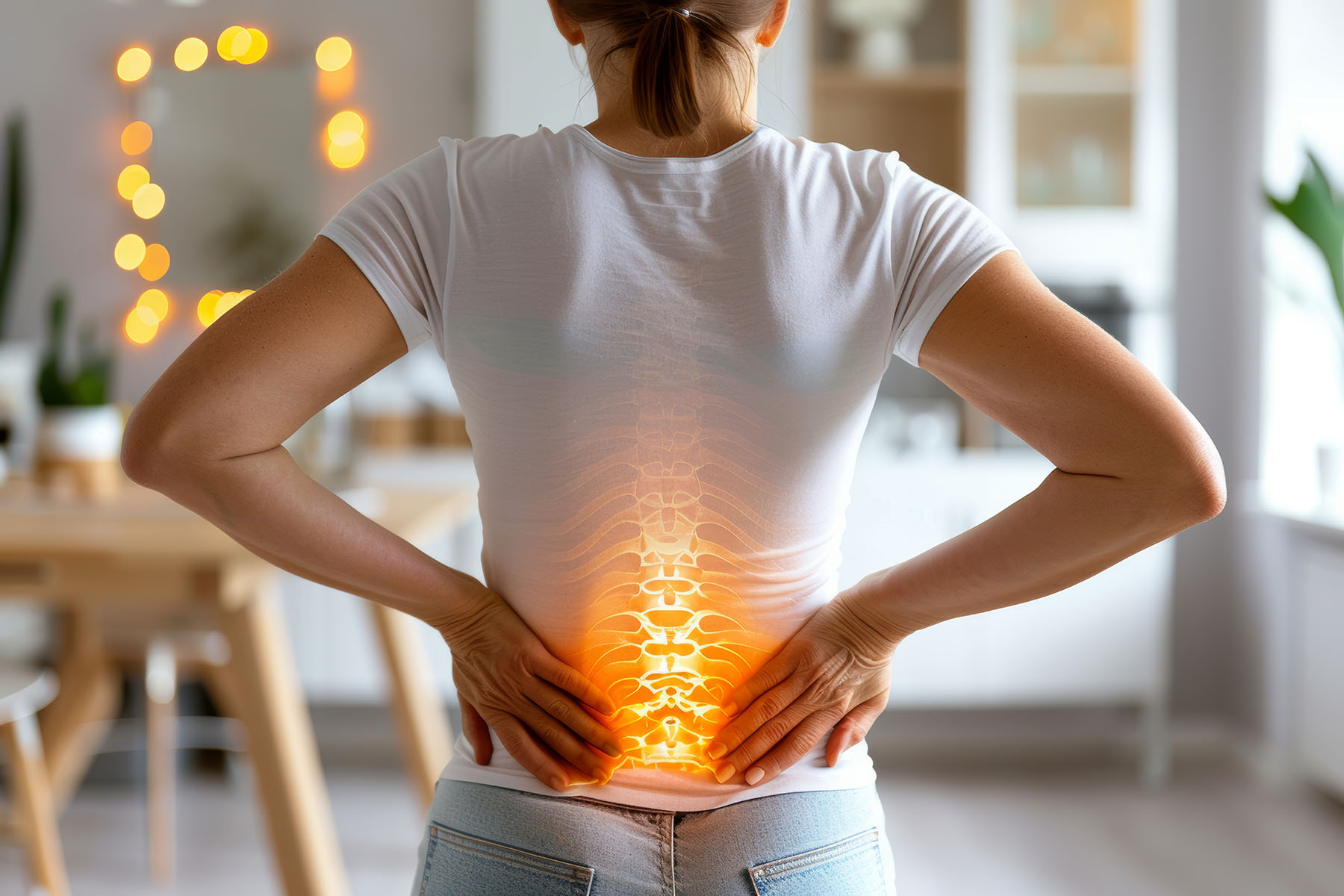
Lower back pain is a pervasive issue that affects people across all walks of life. Whether it’s caused by long hours of sitting, physical labor, or an unexpected injury, the impact on daily life can be significant. For many, the pain isn’t just physical—it also affects their mental well-being, mood, and productivity. What starts as a minor ache can develop into a chronic issue without the right care and treatment.
This blog will explore the common causes of lower back pain, the symptoms you should be aware of, and how chiropractic care can offer lasting relief.
What Causes Lower Back Pain?
Lower back pain can originate from a variety of sources, many of which are tied to our daily routines and habits. For example, one of the most common causes is muscle strain, which often occurs during activities that involve heavy lifting or sudden twisting motions. These strains can create tiny tears in the muscle fibers, leading to inflammation and stiffness.
Another frequent culprit is a herniated disc, where the soft cushioning material between your vertebrae slips out of place. This can press on nearby nerves, causing not only localized pain but also radiating discomfort down your legs. Poor posture, particularly during prolonged sitting or standing, is another major factor. Slouching over a desk or hunching forward can place uneven stress on the lower back muscles and spine over time, leading to chronic discomfort.
For older adults, degenerative conditions like arthritis or osteoporosis can play a significant role. These issues cause wear and tear on the spinal joints and bones, leading to persistent pain and reduced mobility. Lastly, injuries from accidents or sports activities can directly damage the lower back, resulting in acute or lingering pain.
Understanding the root cause of your lower back pain is essential for determining the most effective treatment plan.
What Does Lower Back Pain Feel Like?
The symptoms of lower back pain can vary widely depending on the underlying cause. For some, it may present as a dull, persistent ache that never quite goes away, making it difficult to bend, twist, or move comfortably. Others may experience sharp, stabbing pain that strikes suddenly, often during physical activity.
In cases where nerves are involved, such as with a herniated disc, the pain may radiate down the legs—a condition commonly referred to as sciatica. This can be accompanied by tingling, numbness, or even weakness in the lower extremities, making walking or standing for extended periods a challenge.
Some individuals notice stiffness in the lower back, particularly in the mornings or after long periods of inactivity. This stiffness can make it feel as though your back is locked in place, limiting your range of motion and making everyday activities, like tying your shoes or reaching for something, feel nearly impossible.
If these symptoms persist or worsen, it’s crucial to seek professional care. Early intervention can make a significant difference in preventing long-term damage and improving quality of life.
How Can Chiropractic Care Help?
At the Chiropractic Care Center, we take a comprehensive approach to addressing lower back pain. Chiropractic care is centered on restoring the spine’s natural alignment, which can alleviate the pressure placed on nerves and muscles. This approach not only relieves pain but also promotes the body’s natural ability to heal itself.
One of the primary techniques we use is spinal adjustment, a gentle yet effective method of realigning the vertebrae. This process reduces tension, improves mobility, and restores proper communication between the nervous system and the rest of the body. For those with muscle tension, we offer soft tissue therapy, which focuses on releasing knots and improving blood flow to the affected area.
We also work with patients to address the root causes of their pain. For example, if poor posture is contributing to your discomfort, we’ll provide personalized advice and exercises to correct your alignment. These small but impactful changes can prevent future issues from developing. Additionally, our team may recommend rehabilitation exercises, such as stretches and strength-building routines, to support your recovery and enhance your lower back’s resilience.
Taking Steps to Prevent Lower Back Pain
While treatment is crucial, prevention is just as important. Making small changes in your daily routine can significantly reduce the likelihood of experiencing lower back pain. Start by paying attention to your posture—whether you’re sitting at a desk, standing in line, or lifting objects. Maintaining a neutral spine and avoiding slouching can alleviate unnecessary strain on your back muscles.
Incorporating regular exercise into your routine is another key step. Strengthening your core muscles, which support your spine, can reduce the pressure on your lower back. Activities like yoga or Pilates are particularly beneficial, as they improve flexibility, balance, and posture. Additionally, staying mindful of your body mechanics, such as bending at the knees instead of the waist when lifting, can prevent injuries.
Find Relief at Chiropractic Care Center
Lower back pain doesn’t have to be a permanent part of your life. At the Chiropractic Care Center, we’re committed to helping you find relief through personalized, effective care. Whether you’re dealing with a recent injury or chronic discomfort, our team will work with you to create a treatment plan that fits your needs.
Take the first step toward living pain-free by booking a consultation with us today. Visit Chiropractic Care Center to learn more about our services, including spinal adjustments, soft tissue therapy, and posture correction. Together, we’ll help you regain mobility, reduce pain, and get back to doing what you love.